
Glacier Game
Review the effects of retreating glaciers and increasing stream flows and erosion on river, coastal, and ocean ecosystems.

Review the effects of retreating glaciers and increasing stream flows and erosion on river, coastal, and ocean ecosystems.
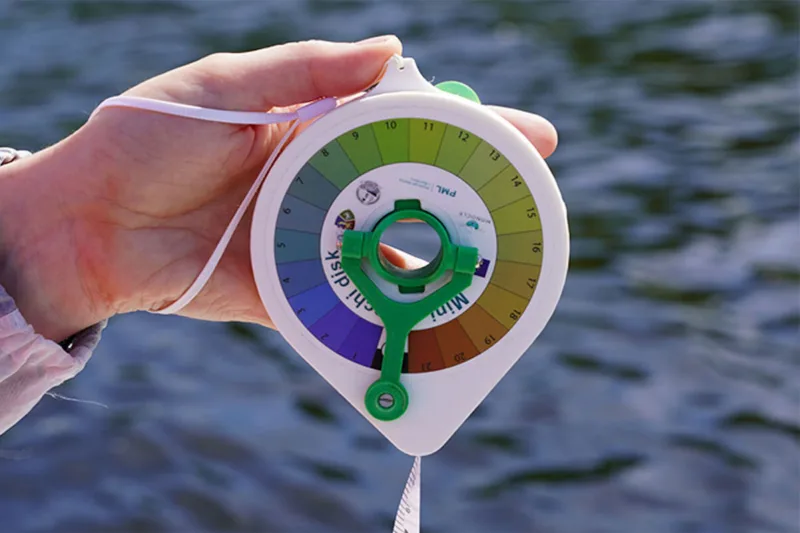
Students construct a mini Secchi disk to investigate transparency and the effects of increased turbidity from the increased flows as glaciers melt on aquatic and marine ecosystems.
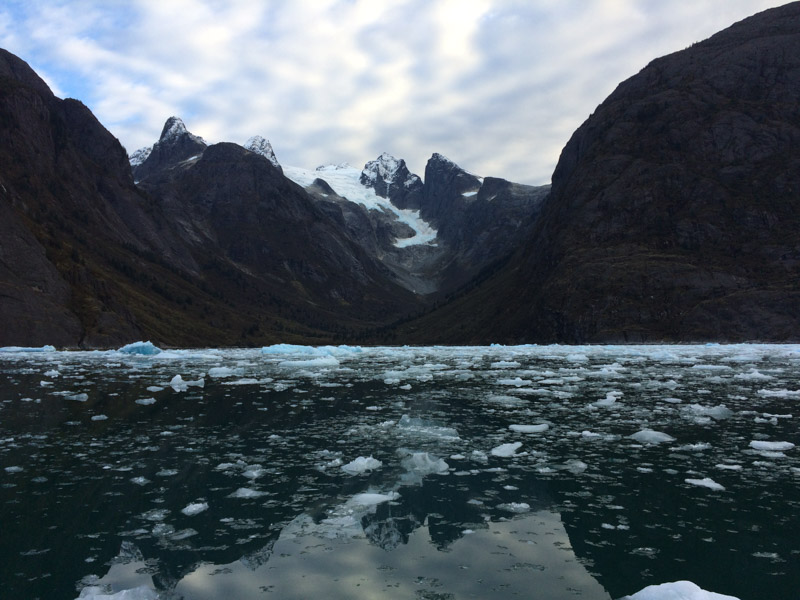
Changing Landscape asks students to analyze “repeat photographs” (taken from the same vantage point at different times) of Alaska glaciers to observe the effects of retreating glaciers on the landscape.
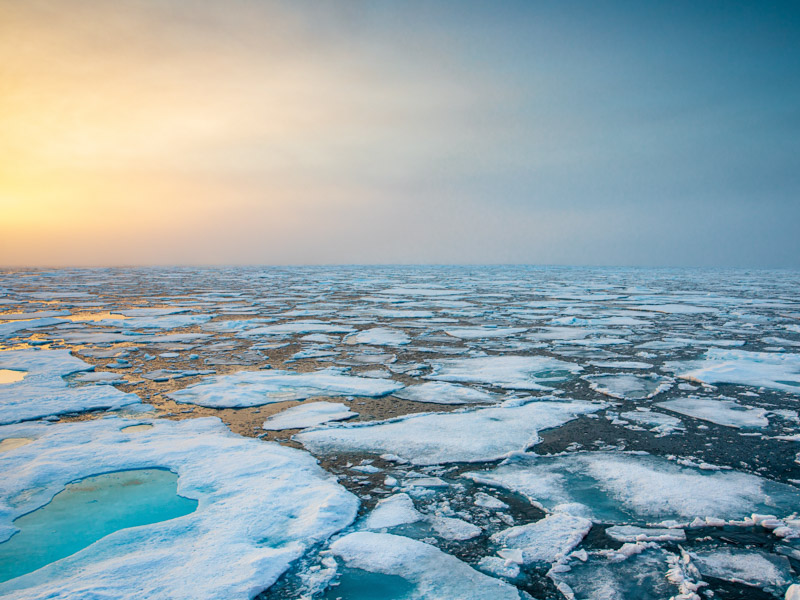
This 5-6 day investigation challenges students to think about how sea ice is changing and the effects of a warming climate on sea level in Alaska.

In this 7-9 day investigation, students are engaged in a variety of hands-on demonstrations and experiments that will help them to understand thermohaline circulation in the ocean. They begin with an introductory activity that helps them to review or arrive at a definition of density, then go on to demonstrate the effects of temperature and salinity on density and design their own experiment to simulate ocean mixing. They experiment further with hot and cold water as they consider the effects of tropical and polar climates on ocean currents, and end by writing conclusions to summarize their learning.